
ISSUE 1.1.0 : ALL THE STARS ARE HERE!
contents:
foreword by max alexander
interview with composer frida rivera
big news from the shoplifters
joke of the month by grady mcdonnell
I have recently spent much time thinking about the late comedian Norm Macdonald, and his incredible appearance on YouTube’s The Big Live Comedy Show in 2013. Over and over again, he repeats:
“All the stars are here.”
I’m not sure if it’s his red carpet sweatpants look, the fact that he’s interrupting everyone, or that he’s clearly unfamiliar with every name he has to read. There’s just something about his blatant disdain for the entire event that bewitches me.
I share none of Norm’s disenchantment when I look at Shoplifters and SHOPLIFTED, but I hope to embody his shamelessness. I’m deciding not to be embarrassed by anything anymore. Yes, readers, it is that simple. Fuck ‘em!
Furthermore, in 2026, being mysterious is out! We’re all going to be blunt now. Speak candidly, freely, and loudly. My friend, Valerie, once told me she was “really abrasive, like 36-grit sandpaper.”
I can’t think of anything better for an artist to be than a 36-grit human being; an immovable object.
If we are to plant our flags and die on any hill, let it be here among all the stars. Enjoy.
Composer Frida Rivera on their music, being held at gunpoint, and Irish representation in Fleabag.

…is a Chicago-based music composer and artist. They are formally trained in classical arrangements and operatic singing, and, much like the team at Shoplifters, hellbent on world domination. They drop into a video call with us on a Monday night to discuss their latest work, upbringing, and artistic perspective.
This is Rivera’s first interview.
The three of us joke that every question will be answered with “gun to your head” sincerity. Rivera opens their interview with a simple but definitive statement:
If someone had a gun to my head, it would be the obvious power move. I take up my own gun, and I shoot myself before they can shoot me.
GRADY: Mad respect, because what else are you gonna do? Well, I could survive, but I think objectively, it'd be funnier if I didn't.
MAX: I'm not letting anybody kill me, because then I die with agency and dignity. And I think a lot of people that hold you at gunpoint…they don't want to actually shoot you. So I'm gonna traumatize them. I'm gonna change the course of their life. And then they'll never shoot anyone ever again!
MAX: I feel like that could be like the cover quote. “People who put guns to your head don't actually want to kill you.” And who knows? If I angle myself correctly, I could kill both of us.
MAX: That's 100% how we're opening this. Frida Rivera on guns. I think they're cool and fun. We got a recording. Hey, Max, have you ever shot a gun before? You don't seem like you have.
MAX: I have. I shot it at someone. The situation was dire. Kidding. But, yes, I shot a gun during Scouts. Really? It was not a very powerful gun, but we did shoot. Frida, did you ever do anything like Scouts? Rivera hesitates. No.
MAX: But you have shot a gun? I have. My life was just kind of like that.
Rivera is from rural Montana. They grew up on a Christmas tree farm that was isolated by dense woodlands and rocky mountains. The nearest town is a long, scenic car ride away. For this, among other reasons, survival skills became a core part of their education.
We were taught how to identify different animals' footprints and how to identify the animal by their scat and stuff like that.
Rivera described that at least once a year, people from nearby Native American reservations -- which make up roughly 10% of Montana's land and peoples, a far higher number than the vast majority of mainland states -- would visit their school to teach. Rivera's experience with Montana’s pastoralism and rusticity has always been a major component of their art, even so distant from it in Chicago.
I joined choir in middle school and, from the jump, I thought “I could do this.” So it was child-me being pretentious…being like “this doesn't seem that hard.”
MAX: Would you say that there was a specific moment where that happened, or was it a faint feeling in the back of your mind? After I started taking fiddle lessons when I was thirteen or fourteen. I started learning how to read music, and that got me more interested in it.
By eighteen, Rivera was enrolled in what they initially referred to as a local music conservatory. Local. It was an hour away!
[After fiddle] I started taking voice lessons, and then I started taking classical violin lessons, too. So both of those really taught me how to read sheet music and the functions behind it. There's formulas. I wanted to learn what the formulas are, because once you learn all the rules, then you know how to break them…For example, you're not supposed to do any parallel fifths. Parallel fifths are bad. I love parallel fifths. Especially when you don't have the third, because then they sound hollow, and I love that. It's illegal, but I love it.
MAX: It sounds like you're acutely aware of that when you're doing it. Is it a sound you prefer, or are you thinking about making a bit of a statement? It's both. I love how it sounds, and in every single music theory class we were reminded that you can't do that. It's kind of out of spite.
GRADY: So when you start off in choir and play the fiddle, then enter more classical training, how did you handle the transition into what you're doing now? I was always interested in rearranging choir pieces and making my own choral arrangements. I never actually got an opportunity to [see them played] because I didn't have the resources. [In Chicago], I have all these people around me that know how to do it, and I'm here to be a sponge.
On other influences, Rivera names English musician Keaton Henson. They describe the imagery of Henson's classical album, Six Lethargies (2019), as ‘a very physical thing’. Strong, evocative imagery is central to Rivera's own work, which boasts vivid titles such as “dead birds, seven shadows,” and the more gentle “butterfly pea flower.” Naturally, the sonic atmosphere created by Rivera is equally vivid.
With “dead birds, seven shadows” I wanted something really sharp, messy, and visceral. For that one, I had more of an idea of what I wanted.
The original instrumentation for [butterfly pea flower] was a piano, flute, clarinet, and cello, but my opportunity to record it came with a sax quartet. It's a very similar timbre, at least with the flute and clarinet. So, I was able to still get the sound that I wanted. I just had to rework some parts.
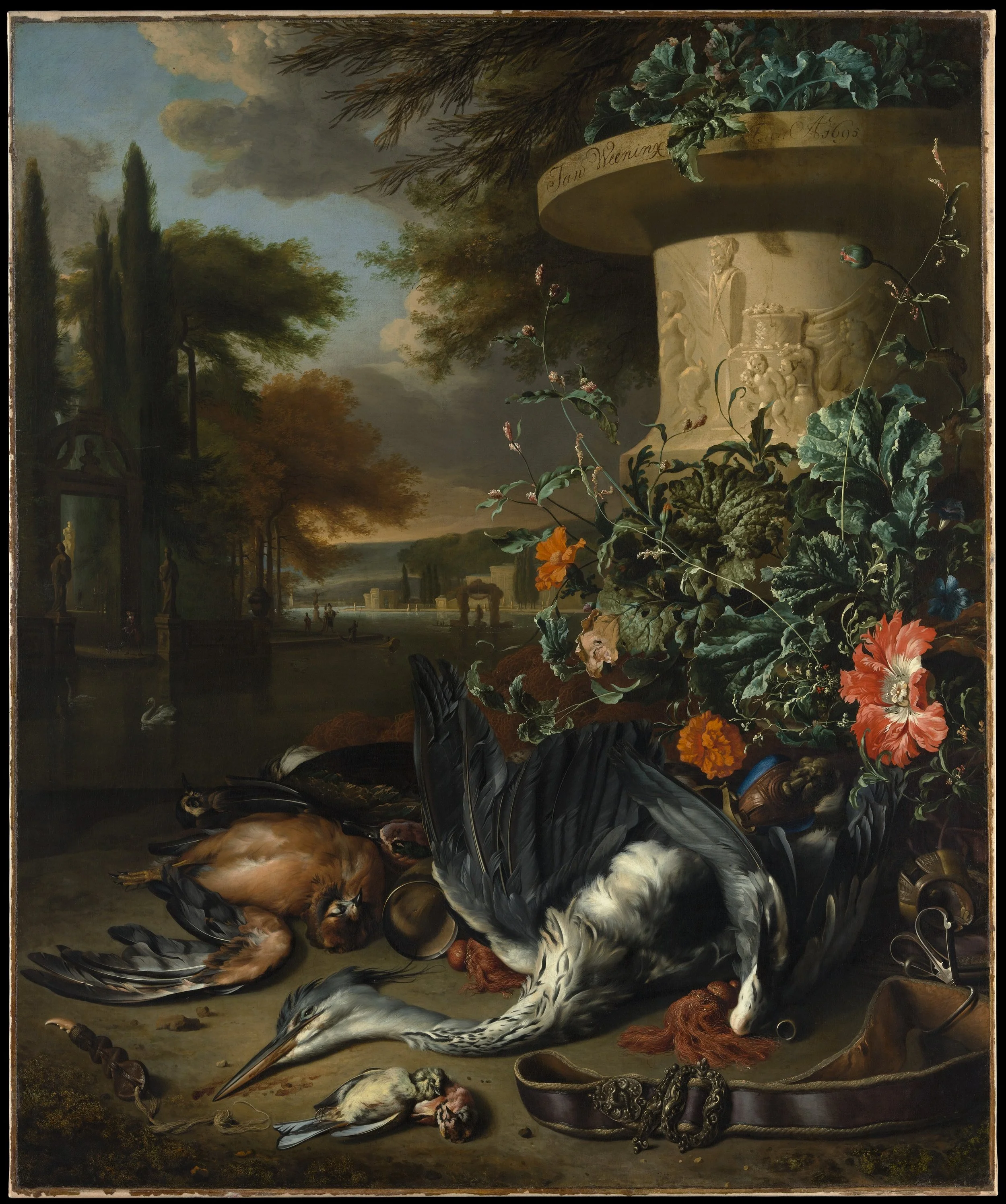
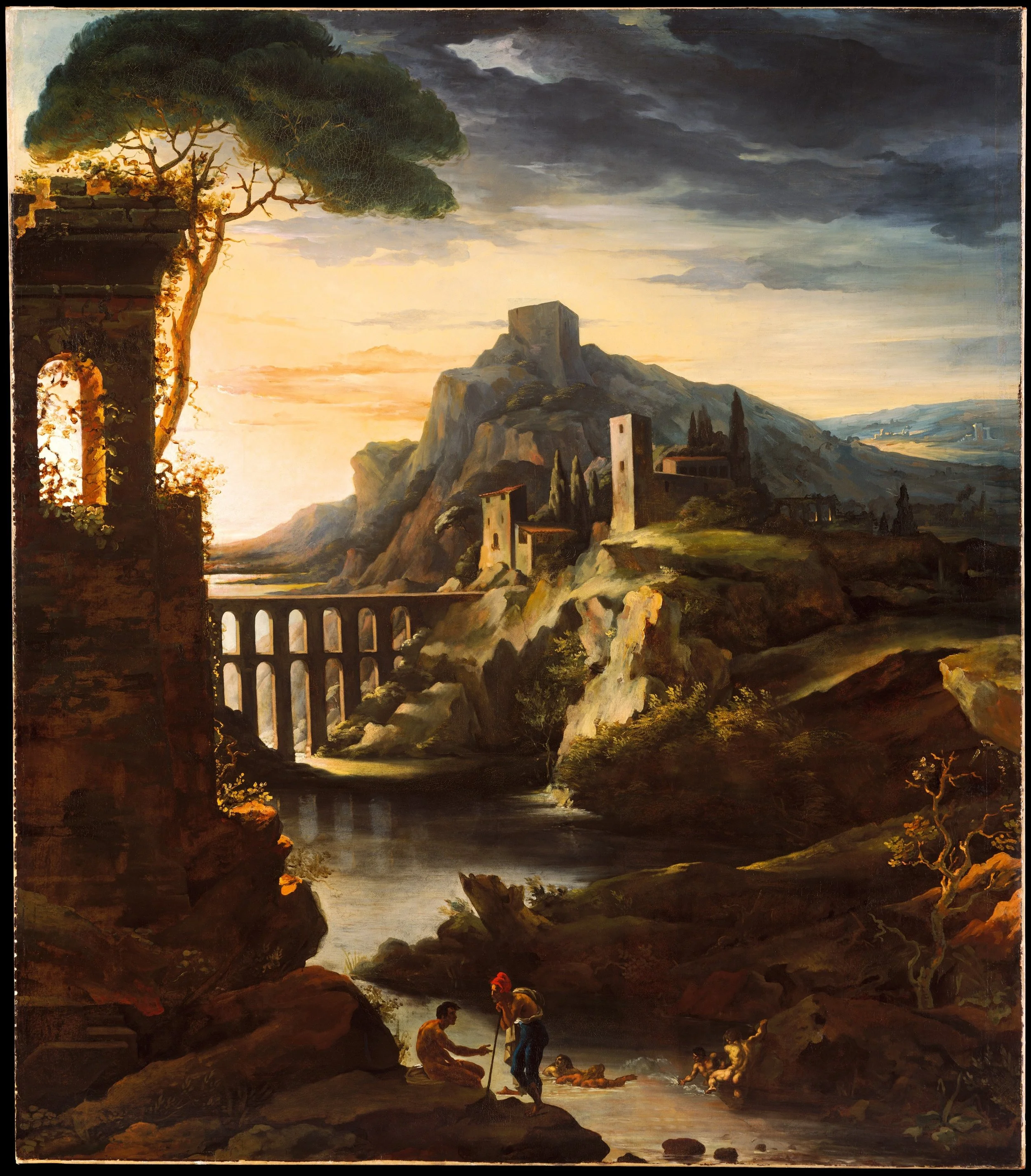
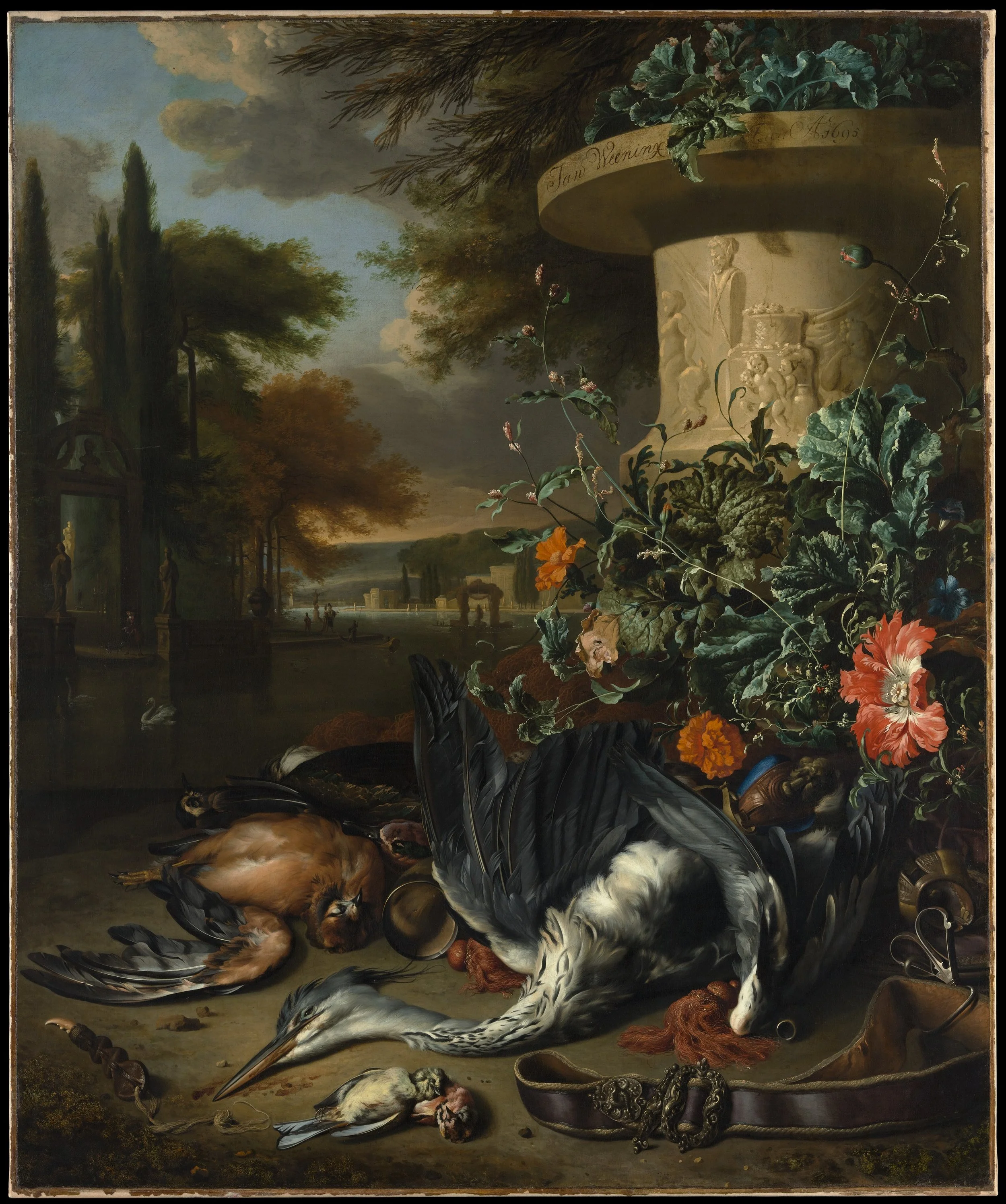
For their cover art, Rivera chose the European paintings “Gamepiece with a Dead Heron” (Weenix, 1695) and “Evening: Landscape with an Aqueduct” (Géricault, 1818). Pictured here, left to right.
Composer Frida Rivera on Chicago Pizza:
I really like Papa John's. I really like Papa John's.
MAX: This isn't a hit piece, but can you speak to that? I really like Papa John's. What about Papa John's do you like? It's Papa.
MAX: Are we gonna be able to get any more out of you than that? You go to Papa John's because you want shitty pizza. And you get exactly what you want every single time. The crust is thick, but also soft, and it tastes so nice. Their cheese is so crispy. They have so much sauce. It's exactly what I want out of a slice of pizza every single time.
GRADY: So, even living in Chicago, you would, just for the record, choose Papa John's over local Chicago pizza places. Rivera smiles. Living in Chicago means I have access to more Papa John's.
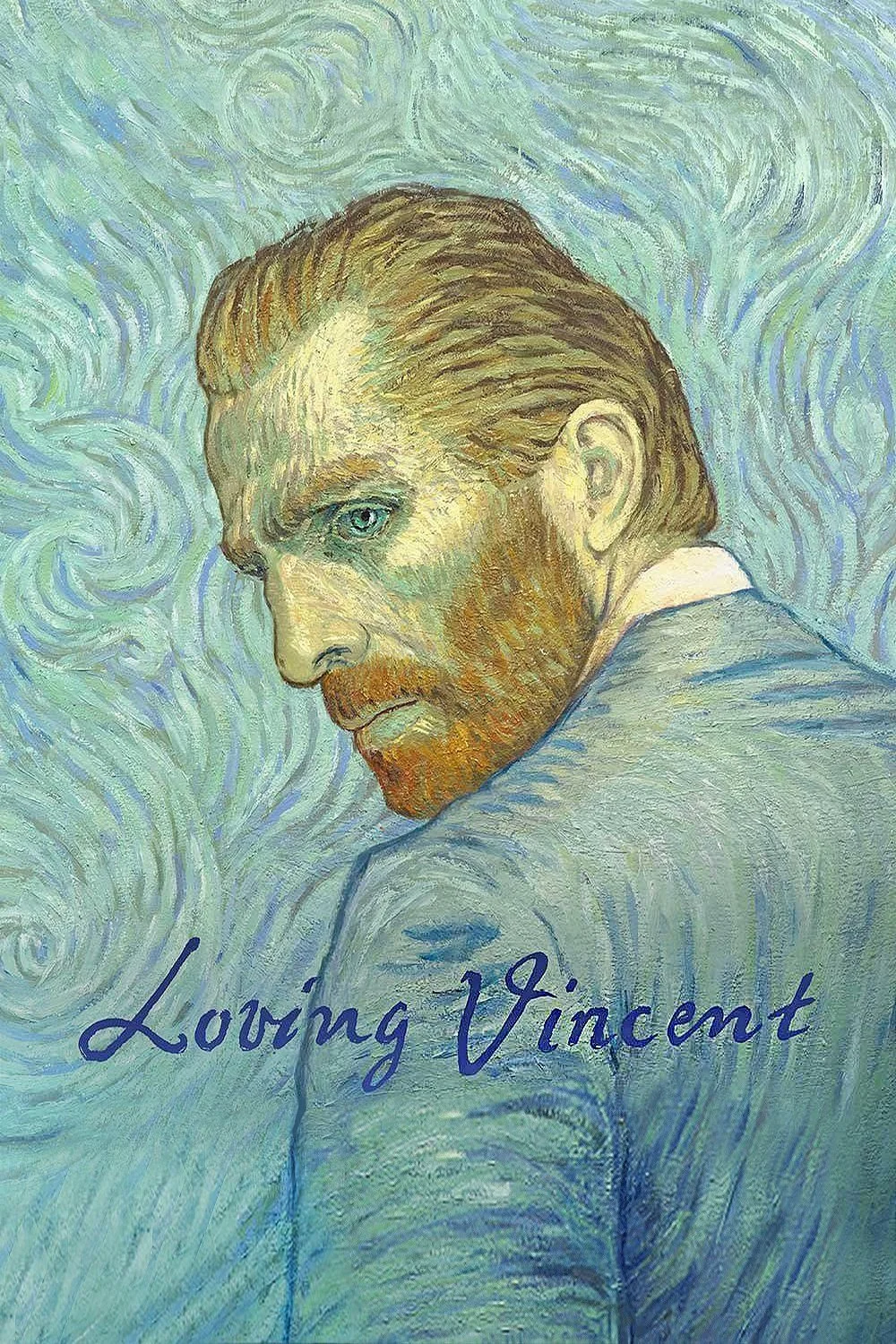
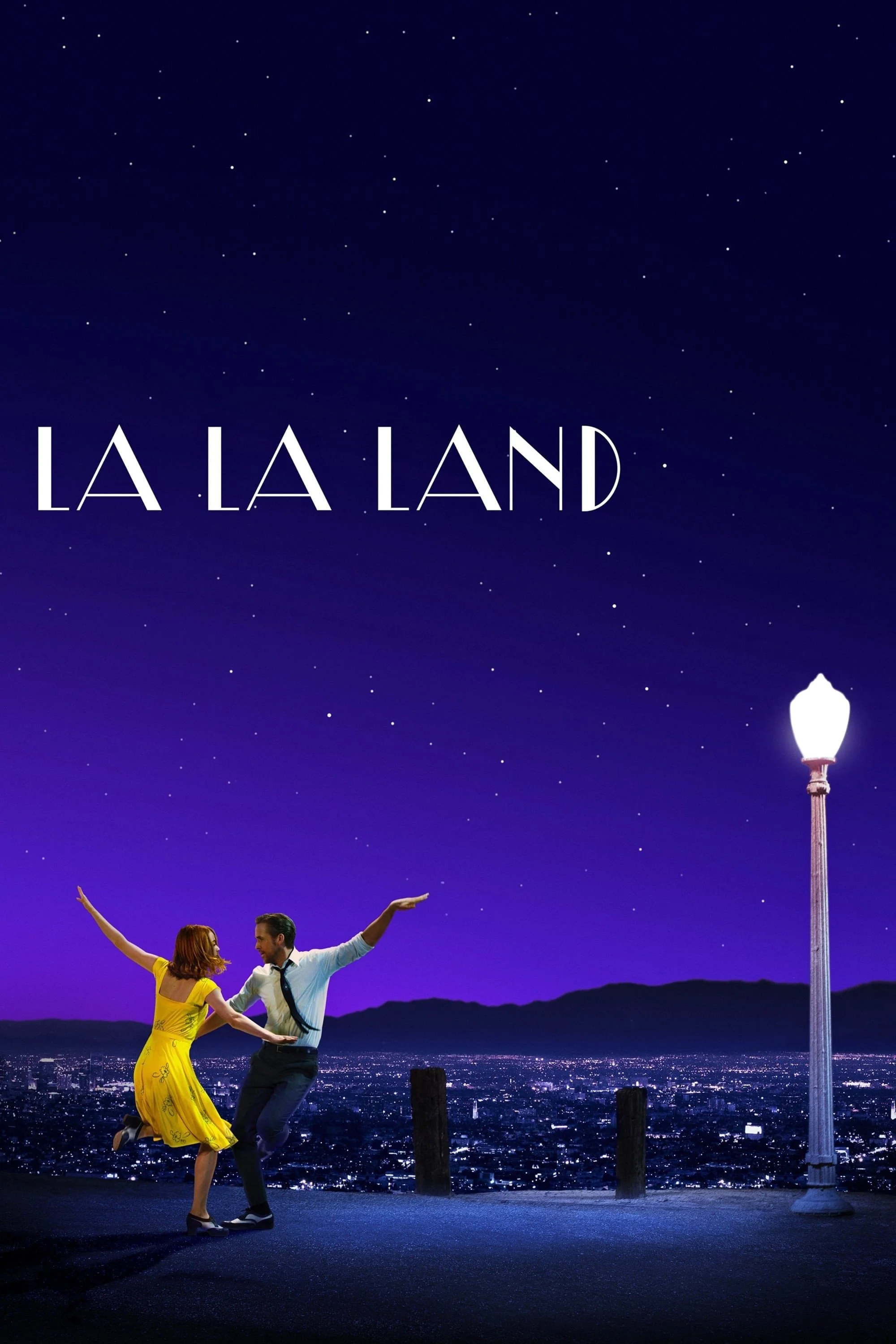
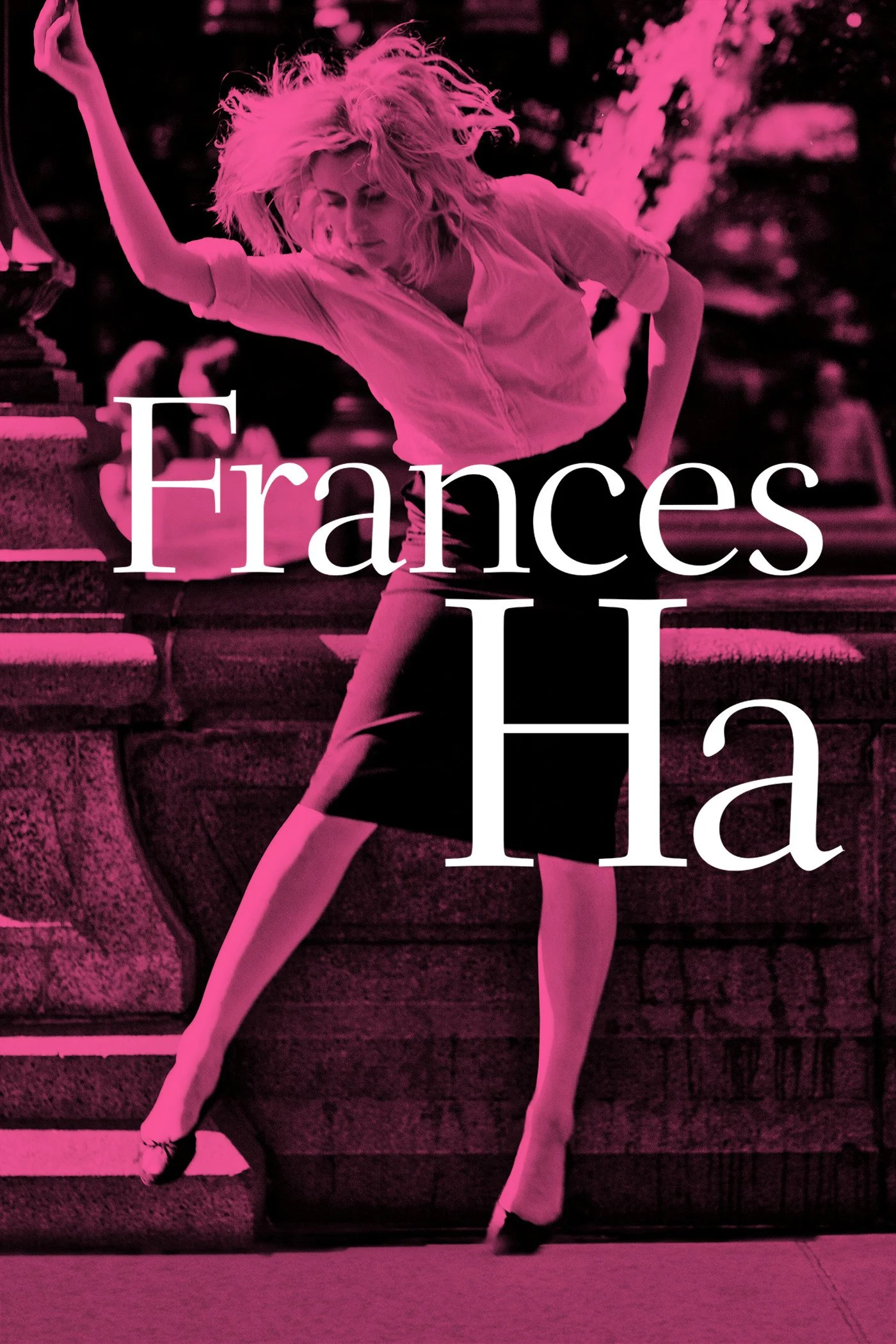
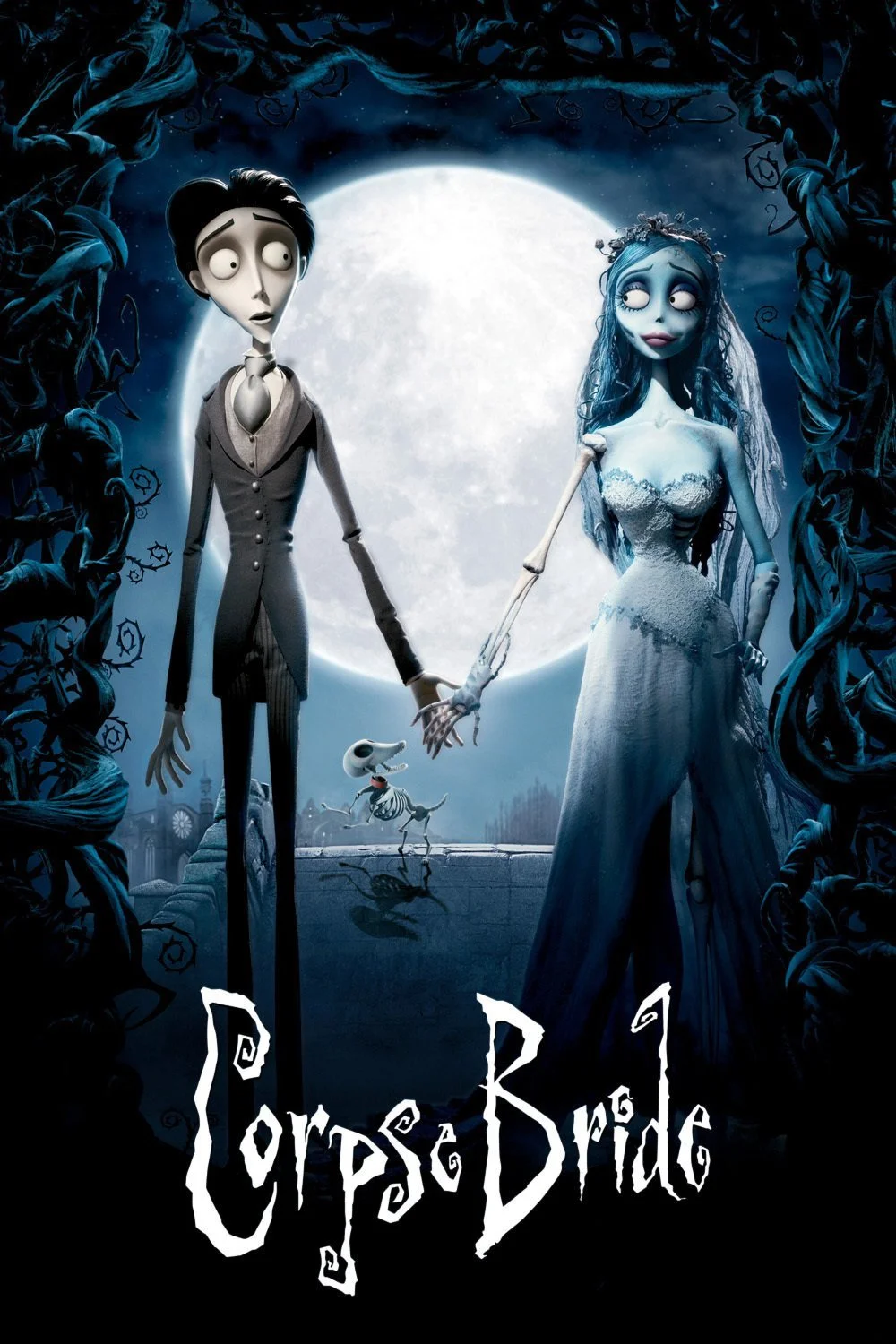
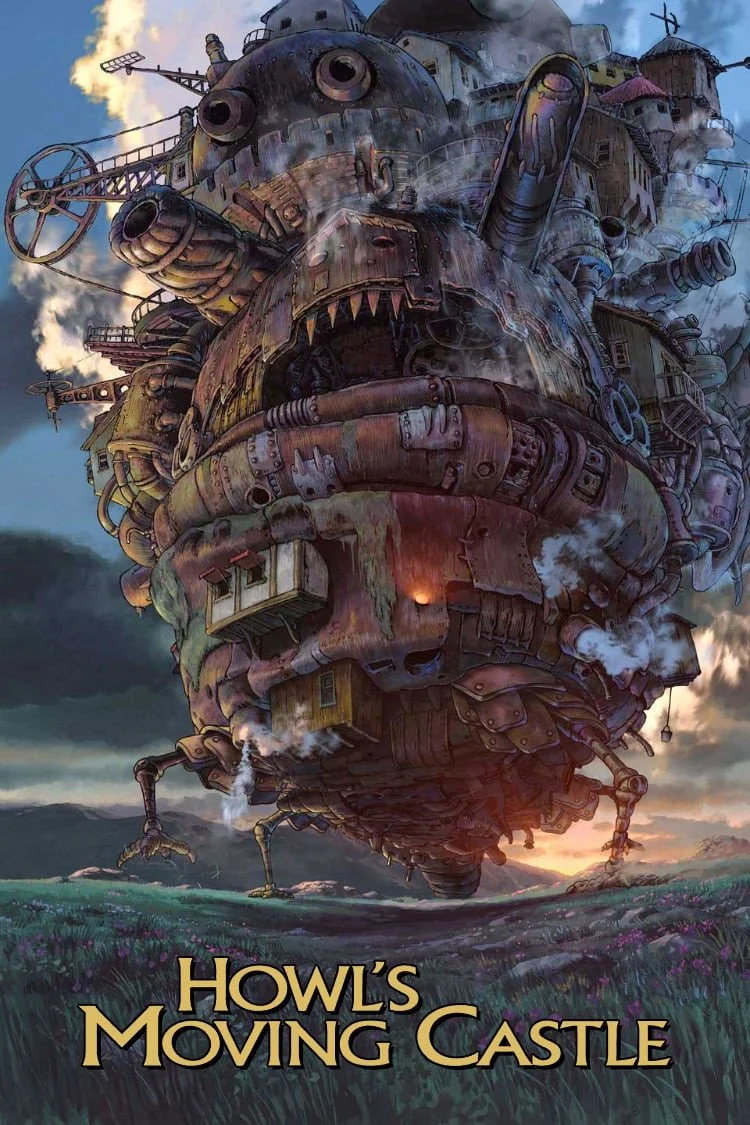
Among Rivera’s favorite movies are Loving Vincent (2017), La La Land (2016), Frances Ha (2013), Howl’s Moving Castle (2004), and Corpse Bride (2005).
Composer Frida Rivera on live music:
[Another thing] that actually got me passionate about music when I was younger was attending and participating in live shows. I would go to honors choir performances, and I would be up there with a combination of choirs from across the state. You sing together, and you can feel it throughout your whole body. You can feel it in your feet, you can feel it in your chest, and in your shoulders. And it feels so good, it's so powerful. It's so connecting.
Rivera pauses to think for a beat.
Having something on that large scale, where it just completely consumes every bit of air in the room…I want to do something like that.
MAX: Have you come across anything recently that's had that effect on you? I like listening to movie soundtracks. This one isn't large scale, it's really small; kind of intimate and fragile. The score for Minari (2020). Emile Mosseri. He's a demon in the studio. Is a film score something you would ever do? Oh, God, yes, I think that would be so fun.
GRADY: What's your favorite show? I love Fleabag (2016-2019).
MAX: Thoughts on the ending? It was necessary. That was the only way it could have ended.
GRADY: Thoughts on the Irish representation in Fleabag? Accurate. As an Irishman, I confirm. I confirm.
For the gallery component of their SHOPLIFTED interview, Rivera was kind enough to curate a diverse eight-song playlist that is available on Spotify right now.
Composer Frida Rivera with our rapid-fire questions:
GRADY: What is something that you're looking forward to, and what is something that you're nervous about? I'm in the process of trying to get better equipment to write music with, since I'm very limited right now. So something I'm really excited for is to finally have a lot more freedom to write. But that's also very nerve-wracking, because what if it's bad?
MAX: Sort of a two-in-one, excited to create, but nervous about creating. Yeah, it's kind of necessary, though. Excited to create, horrified by my creations. Like Frankenstein, I guess. Or like that scene from Spy Kids (2001). Steve Buscemi. Does God stay in heaven because he too is afraid of his creations?
MAX: Would you say Steve Buscemi is a major influence on your work? Oh, absolutely. You know, even more so, Willem Dafoe. Facts. Facts! I love that man.
GRADY: Okay, so Nicolas Cage or Willem Dafoe? Nic Cage. I'm sorry, but Willy's Wonderland? That's in my top four movies, too. I have more than four movies in my top four, and that's okay.
MAX: Favorite food? I really like roasted chile poblano with queso panella. You cook the peppers, you skin them, and then you cook them again with cut-up cheese. You can just have that in tortillas, then add avocado and salsa. And it's so simple, but it's so yummy and comforting.
GRADY: Most underrated musical instrument? I love the Aztec death whistle, and crotales, because they just have this haunting sound to them. It's gorgeous.
MAX: Favorite color? Today? Red, black, or brown.
GRADY: If you were trapped in an animal's body for one day, which animal would it be, and what would you do? Cat. I'd bite people.
MAX: What's your favorite piece of clothing that you own? These Babybel Cheese socks that I have, or this other pair of socks that are just purple lines with Pac-Man. Oh, or these tarot card socks, which are kind of glittery.
GRADY: So they're all socks? And also, I have these really fluffy socks.
MAX: Are there any questions you wish we asked? What's my zodiac sign? Do you want to guess? I don't know them, though. This is the time to answer. Is it Taurus? Fuck.
GRADY: Can I say it? Yeah. It's Aries. Yes!
MAX: Was I close? Taurus comes after Aries. So kinda.
Aries season is approaching, and I hope you guys are ready. I'm going to be more powerful than ever before.
Frida Rivera's latest works, “dead birds, seven shadows” and “copper honey,” are available to stream on all platforms.
You can also follow Rivera on Instagram @ adastra.adlunam.

Technically, Shoplifters began in 2023. We wrote, recorded, and edited together a 20-minute video essay that, with any luck, will never see the light of day. It just wasn’t in our voice.
For two years, we were creatively burnt. In 2025 we bounced back with “batch one,” a month-long experience with three short films, over a dozen bite-sized videos, and a victory lap with outtakes. It has already been a wild ride.
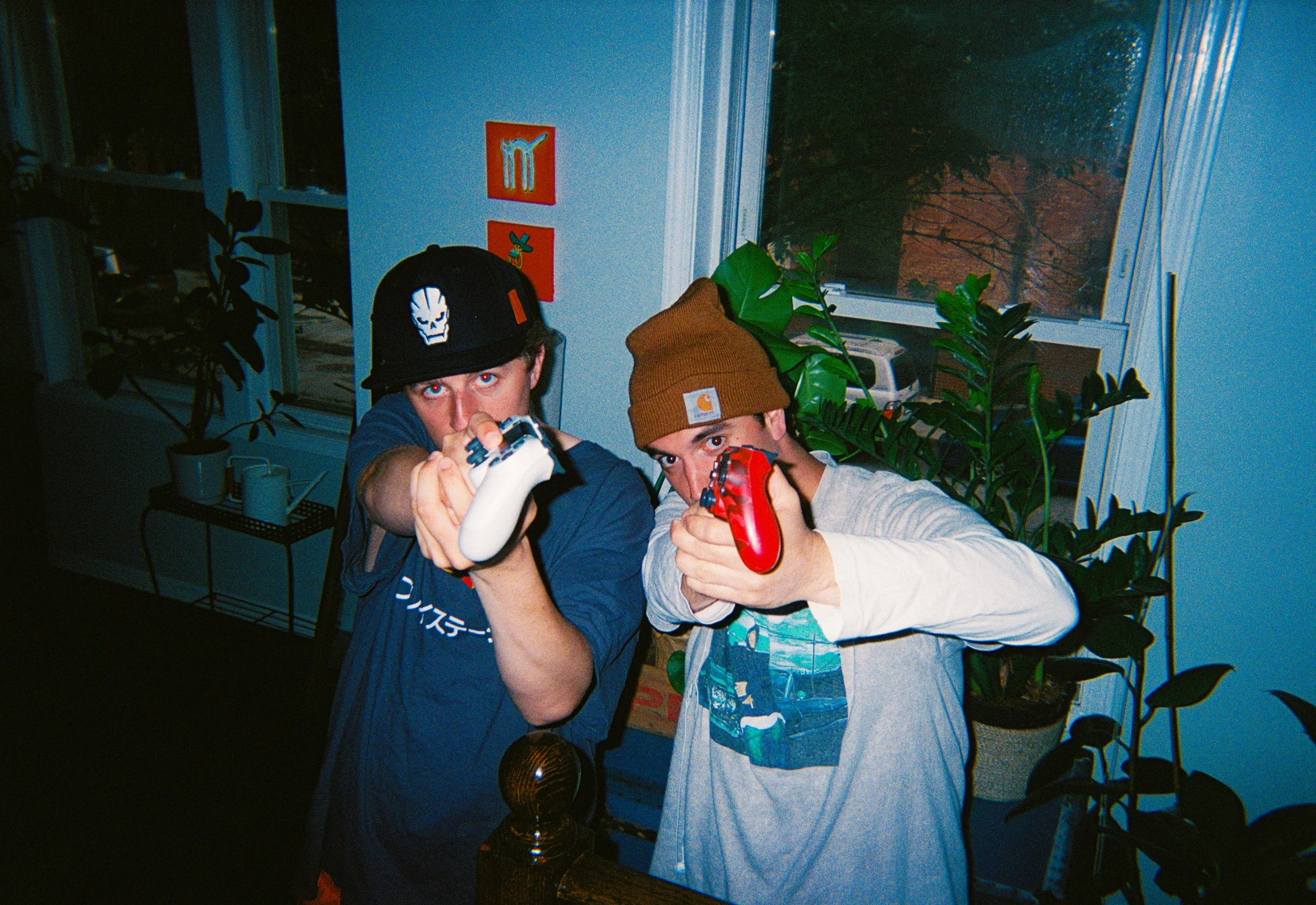
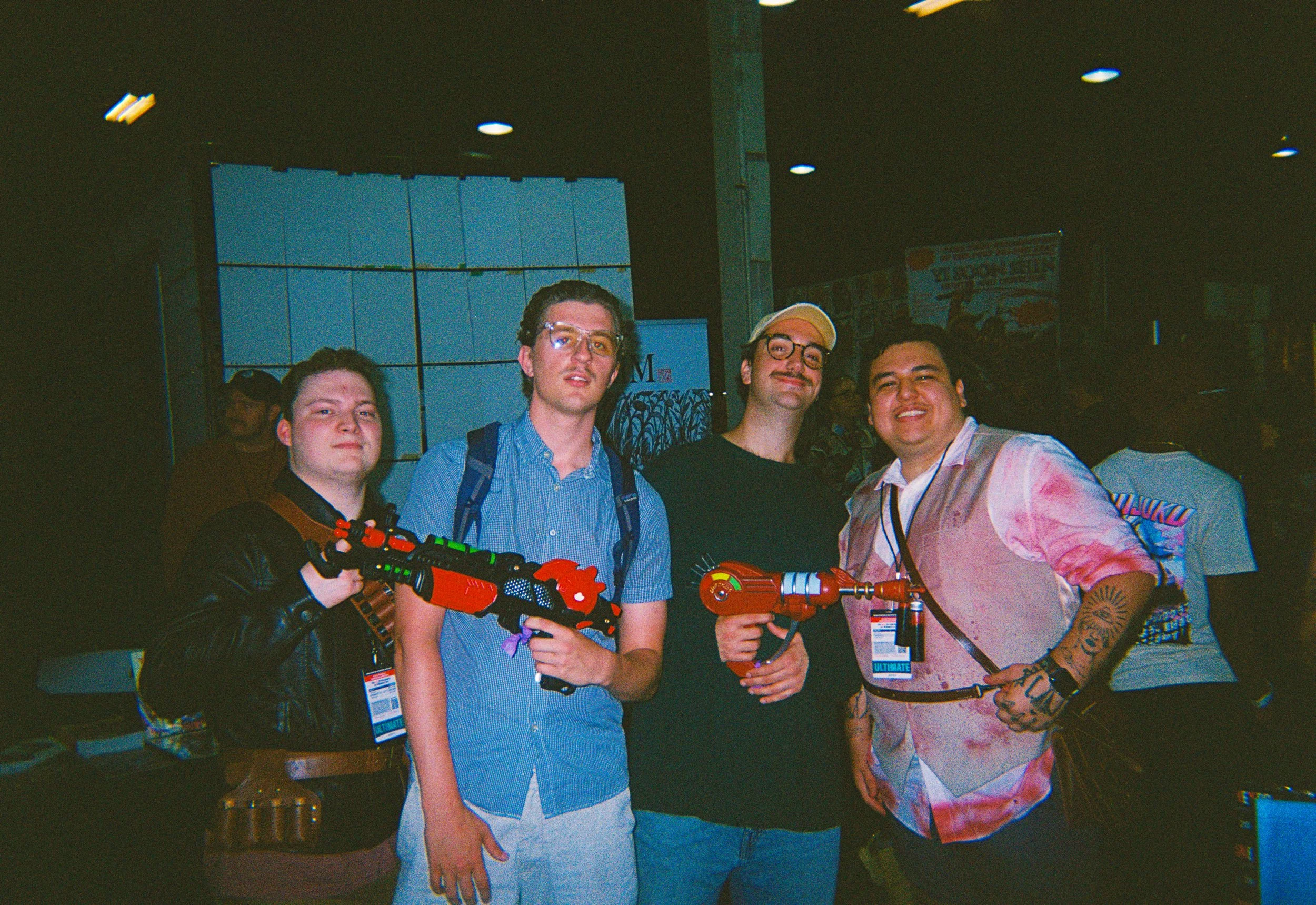
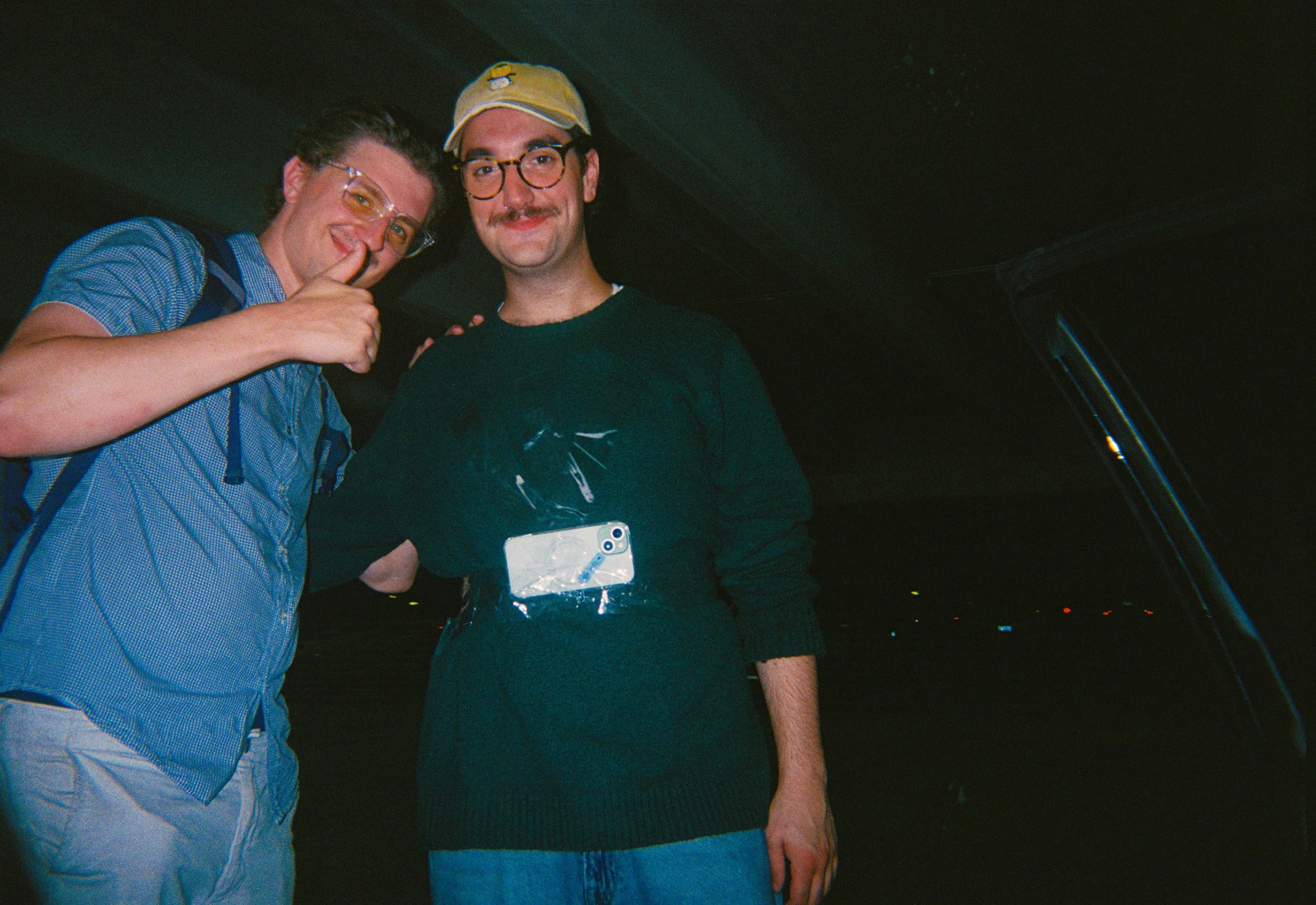
In 2026, we’re hard at work on several working collaborations, and an in-house project we’re calling “off seasons.” This will be a living collection of new full-length short films released quarterly. The first of these films, The Last Street Interview, will debut in March.
More issues of SHOPLIFTED will debut monthly. That means essays, interviews, and other written works, all the way through 2026. Our next issue is due out on April 6th.
That’s not all. We anticipate that Shoplifters will enter pre-production for a much, much larger venture this summer. We hope to have cameras rolling for that project in 2027.
Per our internal five-year road map, world domination by 2030 is all but assured. Thanks for sticking around in the meantime, shoplifters.
Much love,
Grady & Max
(Psychic Crack & The Lure)
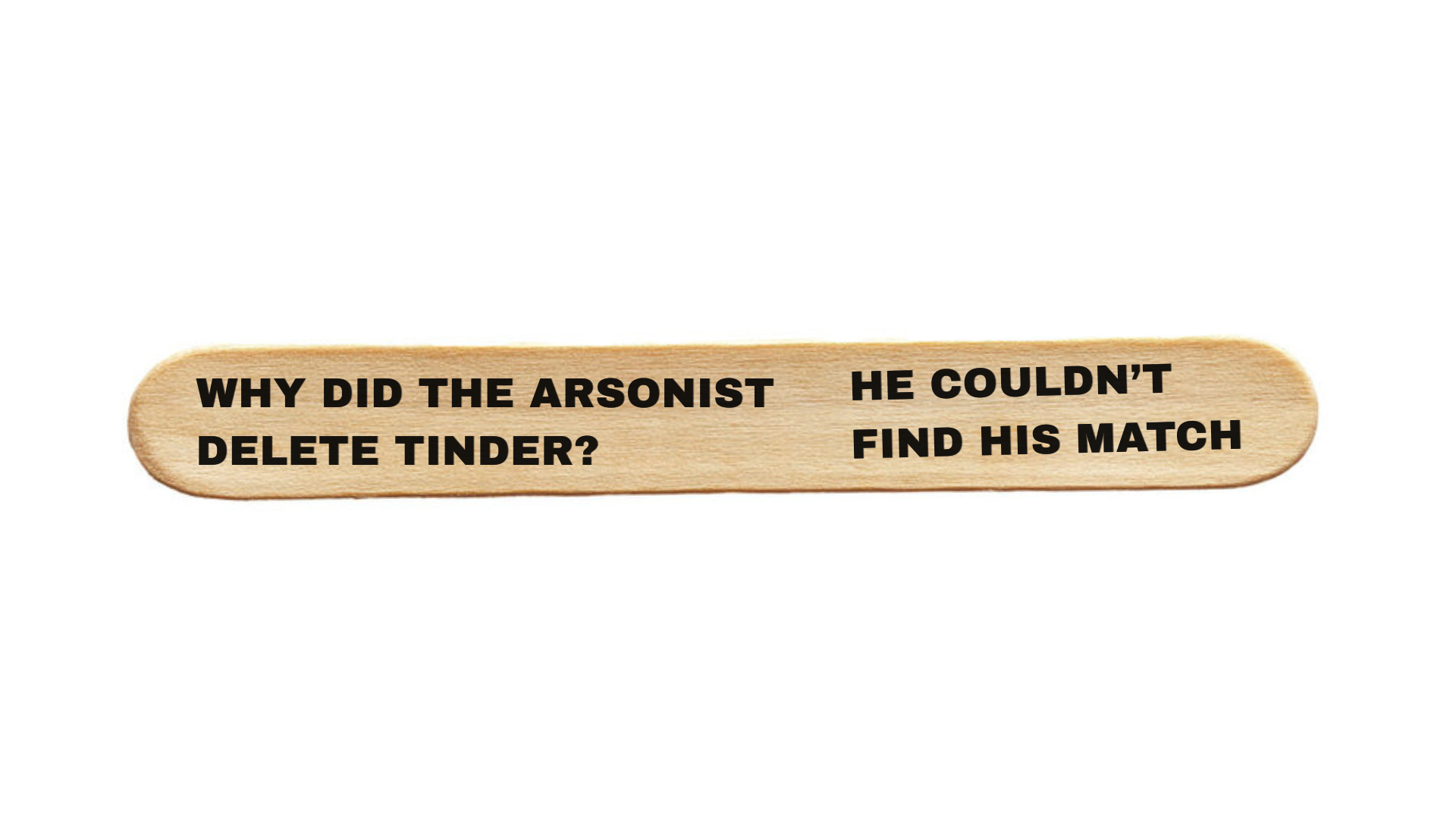
joke of the month